
Your cart is currently empty!
How Essential Oils Are Made: A Detailed Look at the Process
Essential oils are concentrated plant extracts that capture the aromatic compounds and beneficial properties of various plants. These oils have been used for centuries in aromatherapy, personal care, and holistic health practices. The process of making essential oils is a meticulous and precise method designed to preserve the plant’s natural essence. Here, we’ll take a detailed look at the most common methods of essential oil extraction.
The process begins with selecting and harvesting the plant material. Essential oils can be extracted from various parts of a plant, such as leaves, flowers, roots, bark, seeds, or peels. Timing is crucial in this step to ensure the plant is at its peak for oil production. For example, lavender is often harvested when the flowers are in full bloom, while citrus fruits are picked when the rinds are most fragrant.
The most widely used method for extracting essential oils is steam distillation. This process involves using heat to release the volatile compounds from the plant material. Here’s how it works:
- Preparation: The plant material is placed in a distillation chamber above a water source.
- Steam Generation: Water is heated to produce steam, which passes through the plant material.
- Oil Release: The steam causes the plant cells to burst, releasing the essential oil.
- Condensation: The steam and oil vapors pass through a cooling system, where they condense into liquid form.
- Separation: Essential oils, being less dense than water, float on top and are separated from the hydrosol (a byproduct of the process, often called floral water).
Steam distillation is gentle on the plant material and preserves the integrity of the oil, making it a preferred method for many aromatic plants.
Cold pressing is used primarily for citrus essential oils, such as orange, lemon, lime, and grapefruit. This method involves pressing the peels of the fruit to release the oil. Here’s the step-by-step process:
- Washing and Preparation: The fruit is thoroughly cleaned, and the peel is separated from the pulp.
- Pressing: The peels are mechanically pressed to release the essential oil.
- Filtration: The extracted oil is filtered to remove impurities and other plant matter.
Cold pressing does not involve heat, which helps maintain the integrity of the oil’s natural compounds.
For plants that are too delicate for steam distillation (like jasmine and tuberose), solvent extraction is often used. This method involves the use of a solvent, such as ethanol, to draw out the aromatic compounds. The process includes:
- Mixing: The plant material is combined with the solvent, which dissolves the essential oil.
- Evaporation: The solvent is then evaporated, leaving behind a concentrated substance known as an “absolute.”
- Purification: The absolute is further purified to remove any remaining solvent traces.
While solvent extraction is effective for delicate plants, it is generally not used for therapeutic-grade essential oils due to the presence of residual solvents.
CO2 extraction is a modern and highly efficient method for producing essential oils. It uses carbon dioxide in its supercritical state (where it acts as both a gas and a liquid) to extract the oil. Here’s how it works:
- Supercritical CO2: Carbon dioxide is pressurized and cooled until it reaches a supercritical state.
- Extraction: The CO2 is passed over the plant material, dissolving the essential oil.
- Separation: The pressure is reduced, causing the CO2 to return to its gaseous state, leaving behind the pure essential oil.
CO2 extraction is prized for its ability to produce high-quality oils without the use of heat or solvents.
Enfleurage is one of the oldest methods of extracting essential oils and is rarely used today due to its labor-intensive nature. It involves layering flower petals on a fat-coated glass surface to absorb the oils. The fat is then washed with alcohol to separate the essential oil. While time-consuming, this method is still used for certain rare or delicate flowers.
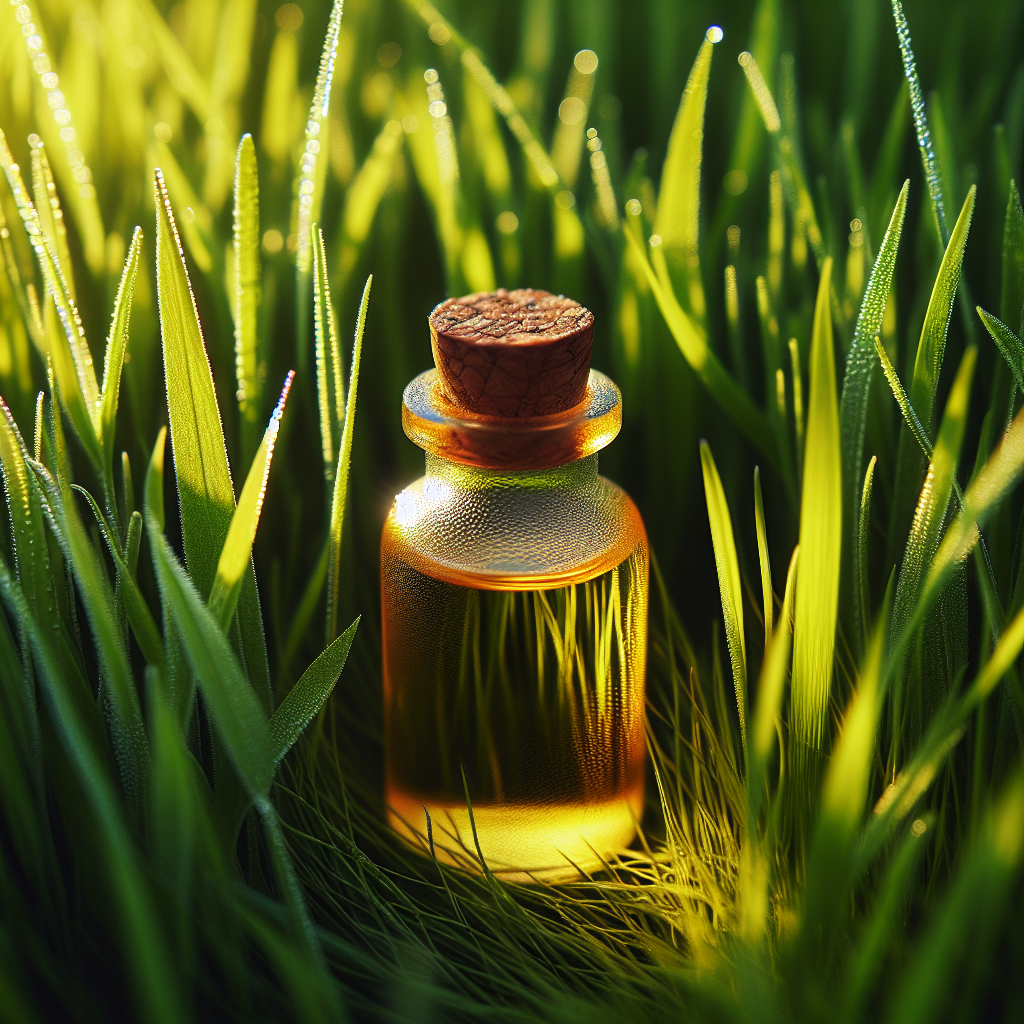
Once the essential oil is extracted, it is carefully filtered and tested for quality. The oil is then bottled in dark glass containers to protect it from light, heat, and air, which can degrade its potency. Proper storage ensures the oil retains its therapeutic and aromatic properties for as long as possible.
The art of making essential oils is both a science and a craft. Each method of extraction is tailored to the specific plant material and the desired quality of the oil. Whether through steam distillation, cold pressing, or modern CO2 extraction, the goal is always to preserve the plant’s natural essence in its purest form. Understanding this intricate process can help you appreciate the value and potency of these remarkable plant extracts.